

PREVIOUS
✖
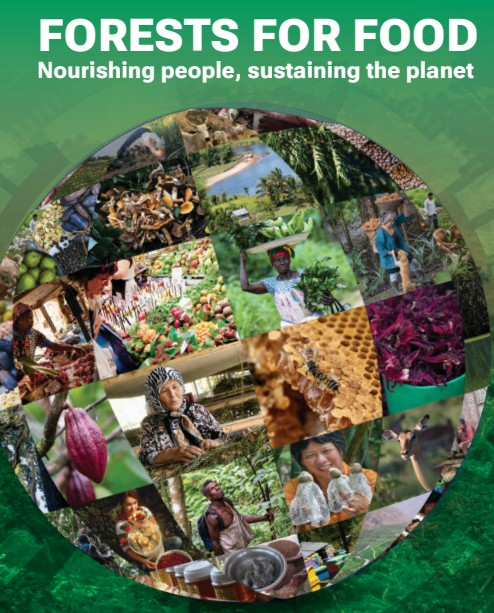
Forests for food: Nourishing people, sustaining the planet
September 19 , 2026
8 hrs 0 min
16
0
- The report, Forests for food: Nourishing people, sustaining the planet, was published by the Food and Agriculture Organization of the United Nations (FAO).
- It was developed jointly with the Landscape Alliance.
- It highlights the importance of forests in reducing hunger and poverty and calls on countries to include them into agri food system policies.
- The report highlighted regional differences in the contribution of forest foods to food security and nutrition (FSN).
- In parts of Africa, some communities obtain up to 80 per cent of their daily protein from wild meat.
- In the Amazon, fish account for 44 per cent of total food consumed by weight, alongside wild meat, Brazil nuts and acai berries.
- In Europe, a survey covering 28 countries found that 90 percent of respondents consume at least one forest food each year, while more than one-third eat game meat annually.
- In North America, wild meat is used more for recreation than subsistence.
- India’s Indigenous communities are major users of wild forest foods.
- While studies have found that children living in areas with greater forest cover can have more diverse diets and lower rates of stunting.
- Another study in eastern India found that the consumption of wild foods (mostly from forests) was associated with higher dietary diversity scores among women, particularly during the lean season.

Leave a Reply
Your Comment is awaiting moderation.