

PREVIOUS
✖
Gene Therapy for Severe Cholesterol
December 10 , 2025
15 hrs 0 min
2
0
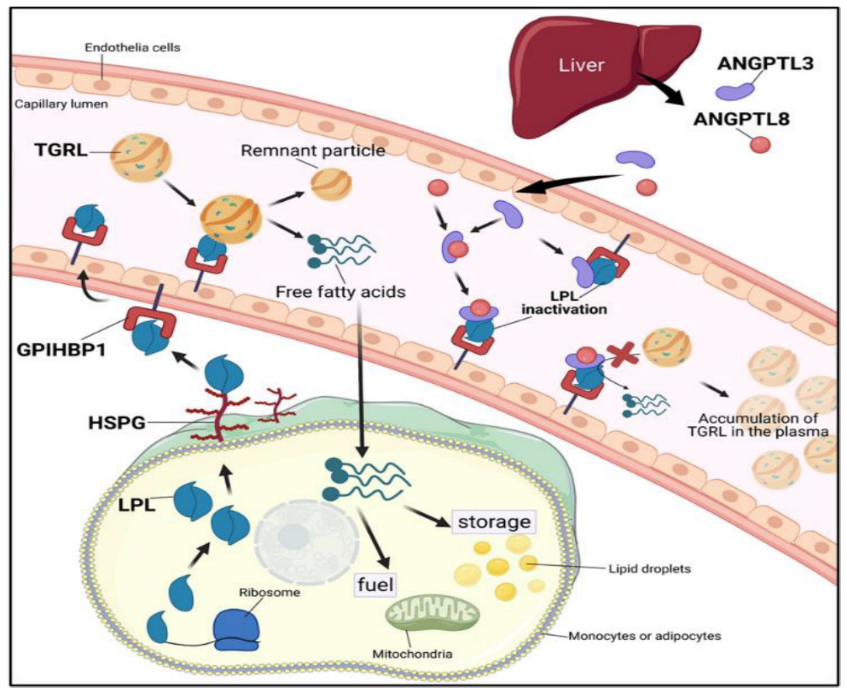
- The therapy targets the ANGPTL3 (angiopoietin-like 3) gene, which regulates low-density lipoprotein (LDL) and triglyceride levels in the blood.
- Cholesterol is a fat-like substance in the blood.
- High levels of LDL (low-density lipoprotein) increase the risk of heart disease, while high triglycerides also raise cardiovascular risk.
- In a study of 15 patients, the highest dose reduced LDL cholesterol by 50% and triglycerides by 55%.
- The approach is inspired by a rare natural mutation in 1 in 250 people who naturally have inactive ANGPTL3 genes and low cholesterol without health issues.
- The treatment uses CRISPR-Cas9 gene editing to modify liver cells, the main site of cholesterol regulation.

Leave a Reply
Your Comment is awaiting moderation.