

PREVIOUS
✖
Plastic Waste to Hydrogen Fuel
May 17 , 2026
131 days
545
0
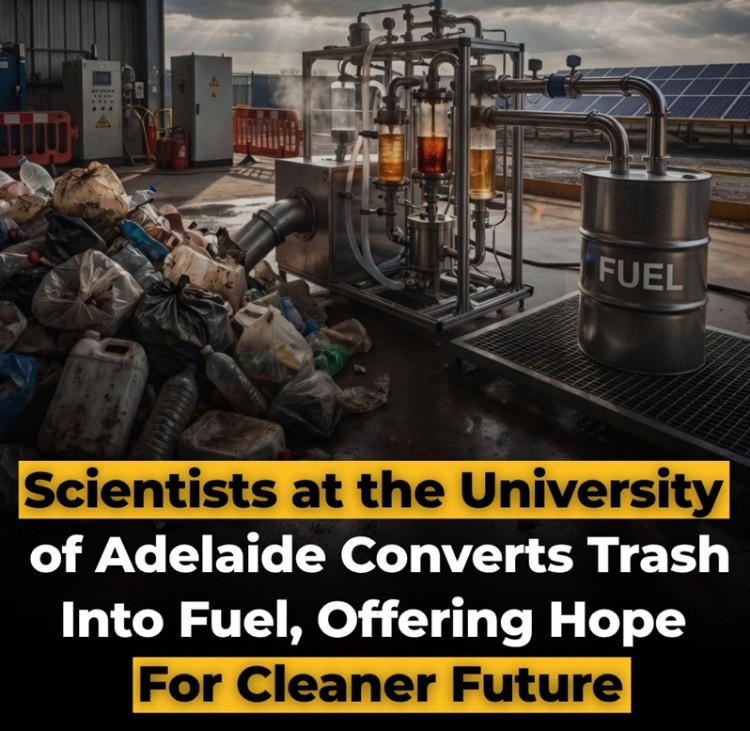
- Scientists developed new methods to convert plastic waste into hydrogen fuel using sunlight through a process called photoreforming.
- Photoreforming is a photocatalytic process where sunlight and catalysts break down plastics to produce hydrogen and industrial chemicals.
- Researchers from the University of Cambridge and the University of Adelaide developed systems using plastic waste, solar energy, and safe catalysts for clean fuel production.
- The process can convert plastics like polyethylene and polypropylene into hydrogen, syngas, acetic acid, and liquid fuels.
- Hydrogen is an important clean fuel used in industries such as refining and ammonia production.
- Global plastic production is more than 400 million tonnes annually, but less than 10% to 18% of plastic waste is recycled.

Leave a Reply
Your Comment is awaiting moderation.