

PREVIOUS
✖
WHO Cancer Agency’s Drug Classification
August 8 , 2026
77 days
427
0
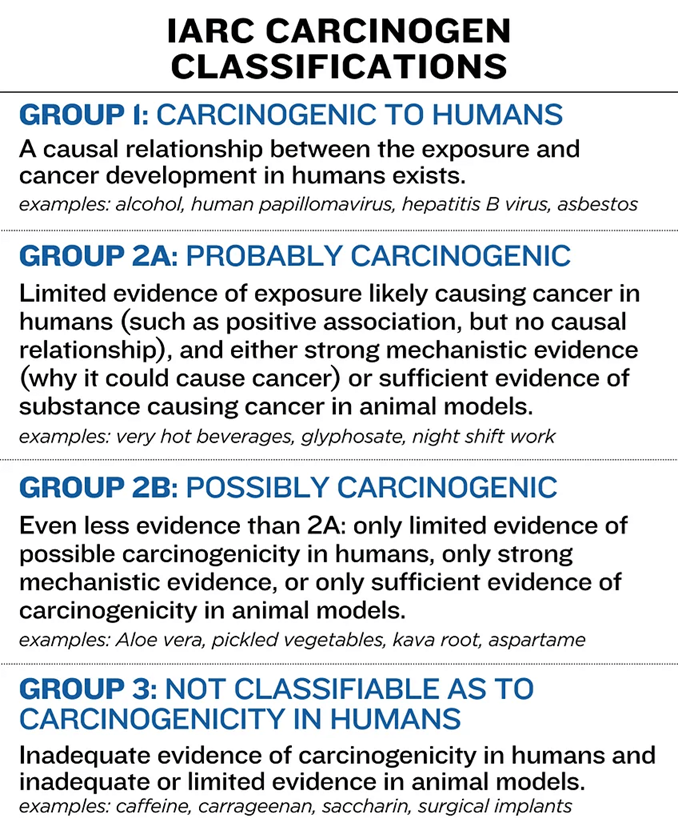
- The International Agency for Research on Cancer (IARC), the cancer research agency of the World Health Organization (WHO), classified three commonly used medicines as “carcinogenic to humans” (Group 1).
- The medicines are Hydrochlorothiazide (used for high blood pressure), Voriconazole (used for fungal infections), and Tacrolimus (an immunosuppressant used to prevent organ transplant rejection).
- Hydrochlorothiazide and Voriconazole were associated with increased risk of squamous cell skin carcinoma, while Tacrolimus was linked with non-Hodgkin lymphoma and post-transplant lymphoproliferative disorders.
- The medicines are included in the World Health Organization (WHO) Model List of Essential Medicines and are used by millions worldwide.
- Experts clarified that patients should not stop these medicines without medical advice, as the classification identifies potential hazards and does not measure cancer risk at prescribed doses.

Leave a Reply
Your Comment is awaiting moderation.